
Botox and neurotoxin basics
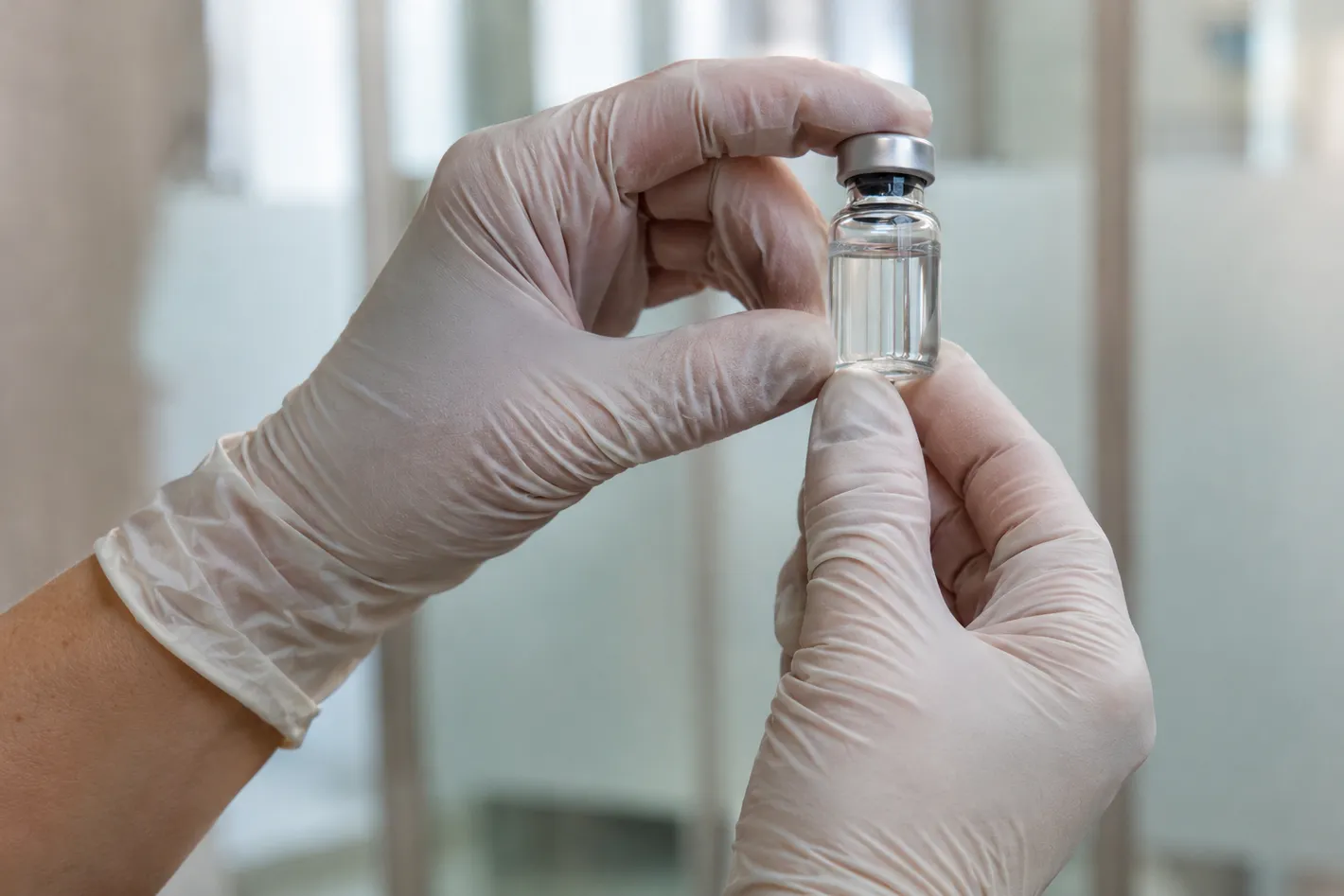
The earliest warning sign for Botox can sit in the vial rather than the face: a product whose origin nobody can confirm. Cleveland Clinic describes Botox as one of the most widely known brands of botulinum toxin injections, and says botulinum toxins are neurotoxins that affect nerves and cause muscle weakening.
The six questions below begin with who should avoid injections and end with practical matters like cost.
Six questions, in checking order
- Who should avoid Botox injections? Rule yourself out before anything else.
- Are there alternatives to Botox like Dysport or Xeomin? Learn the other names you may be offered.
- How does Botox stop wrinkles from forming? Understand what the product is meant to do.
- Which facial areas can Botox smooth? Match your concern to a treatable area.
- Can Botox treat medical problems as well? See where cosmetic and medical use meet.
- Does insurance cover cosmetic Botox? Settle the cost question last.
Checking the product itself
Counterfeits are a documented complaint. The U.S. Food and Drug Administration published an alert on a counterfeit version of Botox found in multiple states. A news report covers the counterfeit and mishandled Botox injections causing harmful effects, and Live Science wrote about fake Botox injections that sickened people and hospitalized some.
Asking where a provider's product comes from is a reasonable first check. The Aesthetic Society also posts Botox injections recovery and aftercare guidance.
If the first check fails
If you cannot confirm the product or the provider, do not go ahead. Filler risks and safety is the related topic, since it covers another injectable you may be offered at the same visit.
A reaction after an injection that worries you is a reason to call a doctor.