
Nonsurgical fat reduction
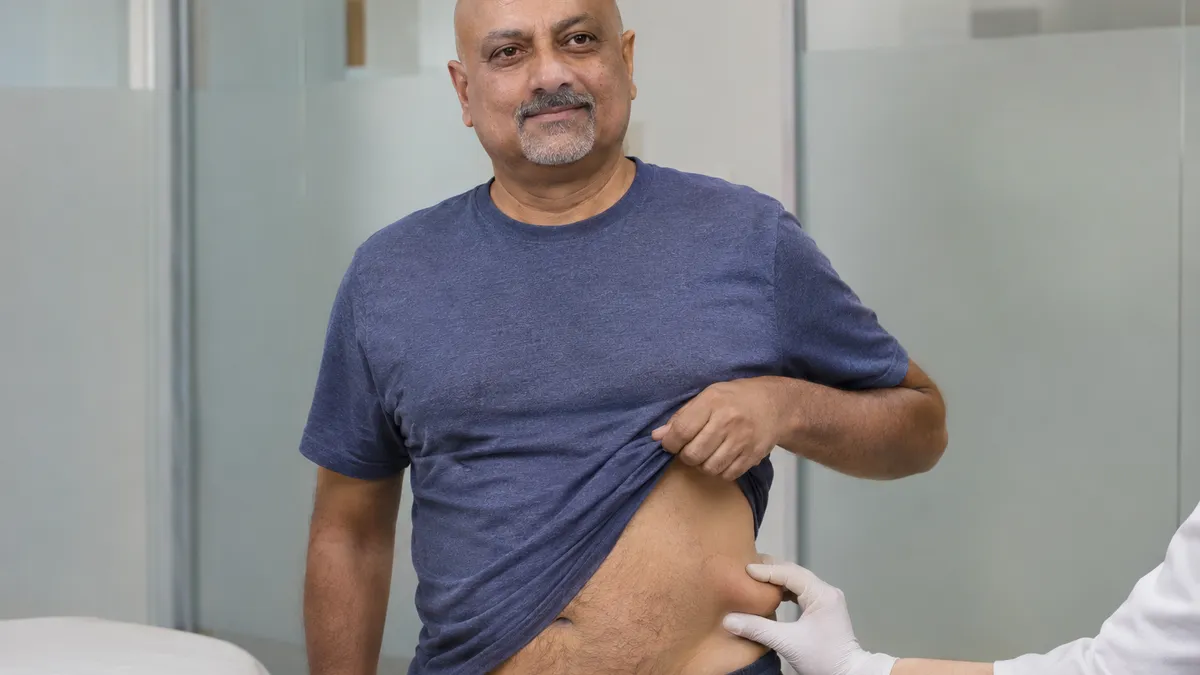
The earliest warning sign with fat reduction is a vague answer to a plain question: what exactly will be done to the fat? The American Society of Plastic Surgeons says nonsurgical and minimally invasive options for fat reduction include technology that uses heat or cooling or an injected medication to reduce fat cells.
That range is why the questions below are worth taking in order. Each one removes a layer of vagueness before you spend money or time.
Five questions, in checking order
- What is nonsurgical fat reduction? Settle the term first, because everything else depends on what it covers.
- Which procedures make up nonsurgical fat reduction? Learn the names you are likely to hear quoted.
- What technologies do nonsurgical fat reduction options use? Match each procedure to the method behind it.
- Can nonsurgical fat reduction replace liposuction? Weigh it against liposuction directly.
- Who should avoid nonsurgical fat reduction? Rule yourself out before you rule yourself in.
One order, one habit
Read together, the five answers make one check. Know what the term covers, know which procedures and technologies sit under it, know how it compares with liposuction, and know whether you are someone who should avoid it.
A gap at any step is the earliest sign to stop and ask. The society's own overview of nonsurgical fat reduction is a useful place to compare what a provider tells you. A nurse's advice on spotting bogus med spas and what to check before a treatment belongs next to that list.
When the first check fails
If you cannot get a clear answer to the first question, do not move on to the second. Ask again, or ask someone else. Injectables raise their own set of questions, which the filler risks and safety topic covers.
Any new pain, change in skin or sign that worsens after a treatment is a reason to call a doctor.